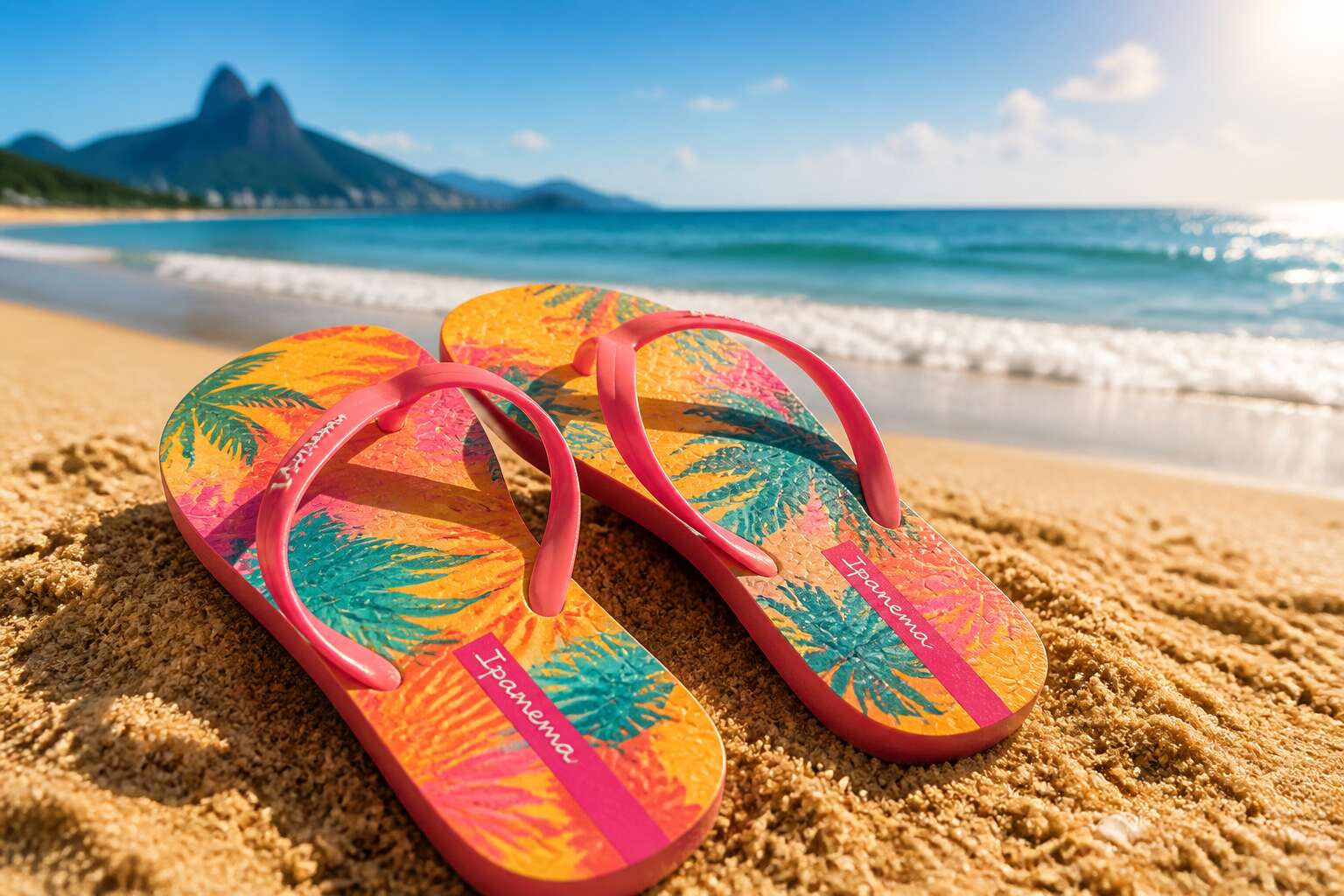
The Heritage of Ipanema Flip Flops
From Rio de Janeiro to the Global Stage
Every pair of ipanema flip flops carries a piece of Rio de Janeiro’s coastline. These sandals emerged from a city where beach life drives daily rhythms, and that origin defines their character. From the wave-patterned promenades of Copacabana to the creative corners of the hillside neighbourhoods, the brand grew in an atmosphere of constant motion and artistic expression.
The move beyond Brazil happened organically. Tourists carried pairs home, and soon editors in Paris and New York were asking questions.
- Collaborations with Brazilian designers who understood the culture
- A decision to use recyclable materials long before it became mainstream
- A fit that works on sand, pavement, and everything between
Today, shoppers in Johannesburg, Durban, or Cape Town can grab ipanema flip flops that once only Cariocas knew! The heritage adapts with each new environment, yet the warmth of its birthplace remains intact.
What Sets Ipanema Apart from Other Brazilian Sandals
The difference between ipanema flip flops and other Brazilian sandals begins with a concrete engineering choice: every angle follows the foot’s weight distribution on sand, nota designer’s sketch. This brand developed alongside Rio’s shoreline, where wet granite and tide pools demand exact grip.
Three traits survive decades unchanged. The toe post rises at an angle that supports the natural splay of a foot. The rubber compound resists salt and sun, retaining elasticity. The footbed pattern channels water sideways, keeping the heel dry.
- Straps are cut from a single sheet, avoiding weak bonding points.
- Shock absorption suits slow beach walks, not sprinting.
When I slip on a pair after years away, recognition is immediate! Few products hold such fidelity. That is why Rio’s mainlaners still choose ipanema flip flops over newer models.
The Signature ‘Soft Touch’ Technology Explained
Four decades of shoreline use have shaped these sandals into a cultural artifact. Ipanema flip flops have accompanied the same families from childhood to parenthood, a quiet continuity that few manufactured goods achieve. This is inheritance without ceremony, understood instinctively by South Africans who know how a familiar pair becomes part of daily identity.
The signature ‘Soft Touch’ technology explains this endurance. The material yields beneath the foot yet returns to its original shape, never weakening under repeated pressure. This is controlled give, a measured response to the body’s weight.
Key characteristics define the experience:
- The surface texture grips without rubbing
- The lightweight composition reduces fatigue
- The flexibility preserves natural movement
I have worn these sandals for years, and the consistency is remarkable! Ipanema flip flops offer stability of a rare order. The design does not chase trends; it serves feet.
Anatomy and Construction of Ipanema Flip Flops
Premium Rubber Composition and Additives
Every pair of ipanema flip flops begins as a solid block of PVC resin, not as separate parts waiting to be glued. The factory heats that resin to a precise temperature and injects it into a mould that shapes the sole, the straps, and the footbed in one shot. There is no stitching and no glue line that can split after a summer of beach use. The sandal holds together because it was never assembled in the first place.
The rubber compound matters most. The base is a virgin PVC blend, not reground scrap, and that gives ipanema flip flops their consistent feel. Then come the additives that help them survive real conditions:
– Pigments that stay suspended in the material, so the colour runs through the whole sole.
– UV stabilisers that stop the rubber from going brittle under harsh African sun.
– Plasticisers that keep the footbed flexible when the temperature drops.
That is why a pair copes with both the heat of a Durban pavement and the cold shock of a morning swim.
Anatomy of the Footbed: Contours and Cushioning
Most people never think about what is under their feet. The footbed of ipanema flip flops is a separate engineering problem from the sole. It has to feel soft, but it cannot collapse. It has to grip your foot, but it cannot chafe.
The designers solve this with a dual density approach. The top layer is a plush compound that compresses under your heel. The lower layer blends into the sole’s firmer structure. This creates a cradle effect. Your arch gets support without a rigid peak digging into the skin. The heel cup is subtly recessed, which anchors your foot and stops the slide forward when you walk on wet sand.
– A raised toe bar to encourage a natural gripping motion.
– A textured surface pattern that disperses water away from the skin.
– A gradual slope from the toe to the heel that mimics a relaxed standing posture.
The contours are not random. They follow the pressure map of a human foot. The thickest cushion sits under the calcaneus bone, the point of first impact. The thinnest material is under the midfoot arch, where flexibility matters more than shock absorption. This distribution ensures that the sandal bends where your foot bends. The result is that ipanema flip flops feel less like a shoe and more like a solid extension of your stride.
Strap Durability and Innovative Fastening Systems
The average human takes roughly 6,000 steps a day, each one a silent stress test for the point where the strap meets the sole. A sandal’s lifespan is determined by this junction, yet it is the part most manufacturers treat as an afterthought. Ipanema flip flops approach the problem with a different philosophy, treating the strap as a load-bearing component rather than a decorative afterthought.
The strap is engineered from a single piece of rubber, not glued or stitched into place. It threads through the sole and is locked in with a molded rivet on the underside. This design eliminates the common failure point where straps pull free from the footbed. The material itself is reinforced with a nylon core that resists stretching, so the sandal retains its fit long after cheaper alternatives have gone slack.
– The connection point is recessed to prevent snagging on rocks or roots.
– The strap’s width is calibrated to distribute pressure across the instep, avoiding the thin, cheese-cutter effect of budget sandals.
– The fastening system uses a mechanical lock that expands inside the sole, creating a permanent bond.
The system is simple, but it is the simplicity of a well-executed plan. The rubber compound is chosen for its resilience in saltwater and sun, the two enemies of any beach shoe. This construction means ipanema flip flops can endure the daily grind of coastal life without losing their structural integrity. You will not find a weak weld or a flimsy hinge here. The engineering is quietly robust, a testament to design that prioritizes longevity over novelty.
Tread Patterns for Traction on Wet Surfaces
Walking on wet tiles or slippery boat decks changes your relationship with a sandal. Ipanema flip flops use a tread pattern that channels water away from the contact patch. The grooves are angled to push moisture outward with each step, while the peripheral lugs bite into slick surfaces. This isn’t a generic waffle grid. The design mimics the siping found on premium tyre compounds, giving you predictable grip on harbour walkways and rain-soaked pavements.
In my experience, the difference shows immediately. You feel the sole hold, not skate! The rubber also contains a silica additive that improves wet adhesion without leaving marks on pool decks. All of this means you can move with confidence, whether you are crossing a jetty or chasing the kids across a beach.
Styling Your Ipanema Flip Flops for Every Occasion
Beach Readiness and Poolside Essentials
In the previous section, we discussed the journey from Rio de Janeiro to the global stage, what sets Ipanema apart from other Brazilian sandals, the signature ‘soft touch’ technology explained, premium rubber composition and additives, anatomy of the footbed including contours and cushioning, strap durability with innovative fastening systems, and tread patterns for traction on wet surfaces. Now, let’s talk about the lifestyle they unlock, focusing on style and utility.
Styling Your Ipanema Flip Flops for Every Occasion
Beach Readiness
The true test of any beach gear is how it handles the transition from scorching sand to saltwater waves. Ipanema flip flops pass this test with an almost dismissive ease. You do not need to think about them; you simply trust them to do the job. Unlike cumbersome water shoes that hold moisture or heavy leather sandals that suffer from salt damage, these dry quickly and do not harbor the funk of a long, hot day.
– They face the corrosive assault of sand and saltwater without losing their structural integrity.
– Their lightweight construction makes them feel like a natural extension of your foot.
– They are simple to rinse off with your bottle of fresh water before you return to your rental car.
They offer the freedom of absolute convenience, a piece of mind you can feel with every step toward the shore.
Poolside Essentials and Beyond
Poolside, however, is a different beast. It is a place of languid afternoons and slow, easy conversations. Here, your ipanema flip flops transition from mere footwear to a statement of quiet relaxation. I find that the warmth of the sun on the rubber feels almost meditative. You can slip them on as you take a break from the sun to grab a cool drink, or keep them on as you watch the world go by.
Of course, the true beauty of a good pair is how it moves from the pool to the pavement. Whether you are heading to a casual lunch by the sea or an afternoon braai and sundowners, they navigate that line between too casual and just right. They allow you to embrace the long, golden hours of the day without a second thought, keeping your focus on the company and the view, rather than your feet. They are your passport to a state of mind that belongs to a place where the sky meets the water.
Order in the comments: Where do you plan on taking your Ipanema flip flops first?
Elevating Casual Streetwear with Ipanema
Most men make the mistake of treating flip flops as a surrender to laziness. The reality is that a well chosen pair of ipanema flip flops signals a deliberate, relaxed confidence that a sneaker simply cannot replicate. The trick is to treat them like any other piece of footwear, which means paying attention to the rest of the outfit, not ignoring it. They perform best when they contrast with structure, such as a pair of tailored chino shorts or a clean, plain white tee. The rubber sole and slim strap profile offer a cleaner silhouette than bulky sports sandals, which keeps the overall look intentional rather than accidental.
The natural matte finish of the rubber is what makes this work. A glossy or overly branded sandal screams tourist, but the understated texture of these fits into a considered wardrobe. You can wear them with rolled up denim or lightweight linen trousers if you are confident enough to expose the ankle. The absence of logos and the focus on material quality means they read as a choice, not a compromise. For South African conditions, where the sun is relentless and the evenings are warm, this is precisely the kind of footwear that maintains its composure from a daytime market crawl to an impromptu gathering on a friend’s patio.
Here is how to integrate them without looking like you have given up:
– Pair them with shorts that have a tailored fit, not baggy cargo styles.
– Wear them with a button up shirt worn open over a plain vest for a relaxed evening look.
– Use them as a way to add a neutral foundation to an otherwise patterned summer shirt.
The point is to let the sandals do the quiet work while your clothing provides the character. They become functional anchors for an outfit that is built for movement. This is the effortless philosophy that makes them a staple. You are not wearing them because you cannot be bothered, you are wearing them because you have better things to focus on than your feet. That is the distinction.
Dressy Looks: How to Make Flip Flops Chic
The idea that flip flops belong only at the pool or beach is outdated. Ipanema flip flops have earned their place in more considered outfits, and South African summers provide the perfect backdrop to prove it.
The key is to treat them as you would any other footwear choice. Consider the occasion, the setting, and what the rest of your outfit communicates. An Ipanema flip flop with a clean design works surprisingly well with relaxed tailoring, lightweight trousers, or even a well-cut shirt dress.
For dressier occasions, choose a pair with a sleeker profile and minimal detailing. The understated design allows the footwear to sit comfortably alongside more polished pieces without competing for attention. Neutral tones such as black, tan, or deep navy tend to bridge the gap between casual and refined most effectively.
When building an outfit around Ipanema flip flops, consider these guidelines:
- Pair them with cropped trousers or rolled hems so the ankle remains visible, which keeps the look deliberate rather than accidental.
- Choose fabrics with some structure, such as linen or cotton blends, to balance the relaxed nature of the footwear.
- Keep accessories minimal. A simple watch or a leather belt is enough. Avoid overly sporty or heavily branded items that clash with the clean aesthetic.
For evening events that call for a slightly dressier approach, Ipanema flip flops in metallic or textured finishes offer a practical alternative to heels. They provide comfort without sacrificing polish, which matters when you are standing or walking for extended periods. A midi skirt or tailored jumpsuit pairs well with this style, especially in warmer coastal cities like Durban or Cape Town.
The distinction between sloppy and chic comes down to intention. When your clothing is neat, fitted, and appropriate to the setting, Ipanema flip flops read as a confident choice rather than a lazy one. They work because they do not try to be something they are not.
That confidence extends to how you carry them. Walk with ease, keep the rest of your outfit tidy, and let the simplicity of the footwear do its part. In a country where the sun demands practicality, Ipanema flip flops offer a way to stay comfortable without compromising on style.
Finding the Perfect Fit and Maximizing Comfort
Sizing Guide: Comparing Ipanema to Other Brands
In the world of summer footwear, sizing charts are less reliable than a Cape Town weather forecast. After years of test-walking, I have noticed that ipanema flip flops hug the foot with a narrower heel pocket. Other brands, particularly those from the same Brazilian coastline, often cut wider, leaving a gap where blisters love to form.
Compare these markers when you shop:
- Ipanema size 37/38 fits a slender foot without gapping.
- The same size in a Havaianas runs looser, better for wide feet.
- For kids, the Ipanema brand requires sizing up a full notch.
That extra width explains why so many South Africans trade between brands. The perfect fit means your second toe aligns with the footbed ridge, not floating over it. A simple rule: if your heel overhangs by a millimetre, choose the smaller size. Most people ignore this, then wonder why their walk turns into a shuffle!
Understanding Arch Support and Flat Footbeds
Finding the perfect fit begins with understanding your own feet. Ipanema flip flops reward those who notice how the sole meets the skin. A flat footbed can feel severe at first, but it allows your arches to land naturally. For some, instant comfort; for others, a brief adjustment period.
To maximize comfort, I press my thumb across the insole. You want slight give without squishing flat. Wearing new Ipanema flip flops during short walks helps the sole mold to your pressure points. Check your gait for signs of extra pressure.
- Observe the wear pattern on an older pair of sandals.
- Check if you roll inward or outward when you walk.
A well fitted flip flop holds your heel at the edge and lets your toes grip slightly. When the footbed supports your stance, your stride stays smooth.
Breaking In Your New Pair: Tips and Tricks
Most people underestimate the break in period for new sandals. Ipanema flip flops need a few days to adapt to your feet. Finding the perfect fit begins with the heel. It should rest at the back edge without hanging off. Your toes should grip the footbed slightly. If the straps leave deep marks, try a larger size.
To maximize comfort, I wear them for short walks first. The rubber warms and molds to your pressure points. Press your thumb into the insole. It should give slightly but not flatten. A loose fit causes slapping. A tight fit causes blisters.
Check these signs during your first wear:
- Heel stays put
- Toes grip naturally
- Straps feel secure, not tight
Ipanema flip flops reward patience. After a few days, the sole conforms to your stride. That is when comfort becomes effortless!
Men’s, Women’s, and Children’s Fit Variations
Your left foot is not your right foot, and that asymmetry explains why ipanema flip flops never fit everyone the same. I have found that men press harder through the heel, requiring a sturdier footbed. Women often have narrower heels and higher insteps, which alters strap placement. Children need space to grow, but the heel must stay anchored.
- Men: ensure the heel cup holds the fat pad completely.
- Women: check that straps avoid the metatarsal arch.
- Children: leave a thumb’s width beyond the longest toe.
Comfort emerges from observing how the sole reacts during a short walk. Indentations on the footbed reveal pressure points. The right fit for any age means the rubber adapts to your stride without pinching or slipping!
Durability, Sustainability, and Aftercare
Eco-Friendly Production: The Social Project Roots
Durability, Sustainability, and Aftercare
Most people assume a flip flop has a lifespan of one reckless summer. Ipanema flip flops laugh at that assumption. The proprietary rubber compound resists cracking, peeling, and the dreaded mid-step snap that leaves you hobbling across hot pavement. They shrug off saltwater, sunblock, and pool chlorine alike.
Beyond the technical construction lies a deeper commitment. The brand’s social project, “Ipanema For Life,” channels a portion of royalties into education for Brazilian children. Over 40 million reals have funded schools and learning materials, proving that a casual sandal can carry substantive weight.
To preserve their longevity, a simple rinse with fresh water works wonders. Avoid leaving them baking in a car boot on a 40-degree Highveld afternoon. They are resilient, but not indestructible.
For daily wear, rotate between pairs. This allows the natural flex zones to recover and prevents odour build-up.
– Use mild soap and a soft cloth for deeper cleans.
– Dry them in the shade, never direct sunlight.
– Store them flat to maintain the footbed contour.
This practical care ensures your Ipanema flip flops remain a steadfast companion for years, not just a fleeting summer fling.
How Long Should Ipanema Flip Flops Last?
A quality pair of ipanema flip flops should easily survive three to five years of dedicated wear before the footbed gives out. The material composition is resistant to the suns rays, so they last. However, the environment at the seaside is harsh, and the salt crystals will act as a mild abrasive.
I have found that a simple rinse with fresh water works wonders. It lifts the impurities away and prevents degradation. Lay them flat in the shade to dry, and you preserve the structural integrity. The tragedy of a snapped strap is avoidable with those two minutes of care.
Longevity is the true hallmark of good design. These shoes become part of the landscape of your summers. Of course, comfort remains the main reason you keep returning to this particular brand, but the resilience is a close second.
Cleaning and Storage to Extend Lifespan
Five summers of salt spray and scorching sand have not killed my Ipanema flip flops. The rubber compound resists UV degradation and salt crystal abrasion, so the footbed retains its shape. I have worn them through countless beach days without a snapped strap.
Sustainability is part of the material itself. The brand recycles post-industrial rubber waste into new soles, reducing landfill pressure. That process preserves softness while lowering environmental impact.
Aftercare requires minimal effort. Rinse your pair with fresh water after each beach visit. Lay them flat in the shade to dry. For storage, follow these steps:
- Shake off loose sand
- Rinse with cool water
- Dry away from direct sunlight
- Keep them in a cool, dry space
This routine extends the lifespan considerably.
Recycling Options and End-of-Life Disposal
Each pair of Ipanema flip flops begins its life in Brazil, where the brand transforms post-industrial rubber waste into something you can wear for years. That commitment to circularity means your footwear never truly becomes trash. When the sole finally thins and the strap gives way, you can return them to a participating recycling program rather than sending them to a landfill.
The durability is not accidental. Ipanema blends synthetic rubber with proprietary additives that resist UV rays and saltwater corrosion. The result is a shoe that maintains its flexibility and color through prolonged exposure to harsh beach environments. I have worn pairs through multiple summers, and the straps remain firmly attached to the footbed with no signs of peeling.
Aftercare is simple but essential for longevity. A quick rinse removes abrasive sand particles that can wear down the surface over time. The material does not absorb water, so drying takes minutes, not hours. Store them away from direct sunlight when not in use, and they will retain their shape for seasons to come.
Consider these steps when your pair has reached the end of its useful life:
1. Check if the manufacturer offers a take-back program in your area.
2. Clean the shoes thoroughly before returning them.
3. Drop them off at a designated collection point.
4. Alternatively, repurpose the rubber as garden pot drainage or workshop matting.
The recycling process grinds old soles into new raw material, which then gets molded into fresh products. This closed-loop system reduces petroleum use and keeps thousands of tons of waste out of oceans each year. Your small habit of disposing properly supports a larger environmental mission that has been part of the brand’s identity since its founding.
Weather Resistance: Sun, Salt, and Pool Chemicals
The unforgiving South African sun is the ultimate test for any summer footwear, yet ipanema flip flops remain unfazed. Their proprietary rubber compound is engineered with UV inhibitors, preventing the fading and brittleness that plague lesser materials. This resilience extends to the saline bite of the ocean and the chemical cocktail in swimming pools, ensuring the vibrant color remains deep and the sole stays supple. I have left a pair baking on a Cape Town deck for weeks, only to find them as flexible as the day they were molded.
This inherent resilience is not a happy accident; it represents a deeper investment in sustainability. By creating a product that endures harsh conditions without degrading, the need for frequent replacement diminishes. That longevity is a direct line to the brand’s eco-conscious manufacturing, which repurposes post-industrial rubber waste. The aftercare remains refreshingly uncomplicated:
– Rinse off salt or chlorine residue after a day at the beach.
– Dry them in the shade rather than on hot pavement.
– Store them flat to maintain the footbed contour.
These few seconds of care contribute to a closed loop of use that honors the material’s origins.
Where to Buy and Price Comparisons
Official Ipanema Retailers and Online Stores
Price Range Analysis: Ipanema vs. Competitors
Finding the perfect pair of ipanema flip flops is only half the journey; knowing where to secure them for the right price is the other. While the official Ipanema website serves as the definitive source for the latest collections and exclusive colorways, many savvy shoppers in South Africa look toward trusted local sport and lifestyle retailers for greater convenience. These outlets often stock popular silhouettes, allowing you to feel the signature soft rubber before committing. For a more competitive price point, online marketplaces frequently offer seasonal discounts, though verifying the seller’s authenticity is crucial to avoid counterfeit imitations that lack the ergonomic footbed support.
When weighing the investment, consider the price landscape against other leading brands.
– Standard Flip Flops: Typically range from R200 to R350, offering the classic, everyday comfort.
– Premium Slides: Often priced between R400 and R600, featuring enhanced cushioning and textured footbeds.
– Designer Collaborations: Limited edition styles can push beyond R700, appealing to collectors.
In comparison to many competitors that charge a premium for basic rubber, an ipanema flip flops purchase often delivers superior value. The brand’s commitment to sustainable, recyclable materials means you are paying for durability and ethical production, not just a name. While you might find cheaper generic alternatives at corner stores, those seldom offer the same anatomical fit or long-term resilience against harsh pool chemicals and sun exposure, making the official retail price a worthy investment for your daily comfort.
Spotting Authentic Ipanema vs. Counterfeits
Securing genuine ipanema flip flops in South Africa demands a discerning eye. While established sport retailers stock the real article, online marketplaces overflow with lookalikes that skimp on the signature soft rubber. A price comparison alone rarely reveals the truth, since counterfeiters mirror official price tags.
Authenticity hinges on several physical details:
- The footbed should carry a crisp, embossed logo that does not rub off.
- The straps should flex without creasing, returning to shape instantly.
- The rubber should emit a faint, sweet scent, not a harsh chemical odour.
Genuine ipanema flip flops also weigh slightly more than fakes, thanks to the denser recyclable compound. When in doubt, I always tell buyers to request proof of purchase from an authorised distributor. That small verification step beats the disappointment of a collapsing sole.
Seasonal Sales and Bulk Purchase Deals
Where to Buy and Price Comparisons
Finding genuine ipanema flip flops in South Africa requires a measured approach. I have found that pharmacy chains and dedicated footwear retailers often stock the core collection, while lifestyle boutiques carry limited seasonal capsules. The price spectrum is telling, a pair typically lands between R250 and R450 depending on the embellishment and complexity of the design.
Comparing prices across online marketplaces reveals significant variance. Some sellers offer aggressive discounts that should inspire caution rather than excitement. When a price drops below the R200 threshold, authenticity becomes questionable. This is where the physical inspection matters more than the digital promise.
I always cross-reference the official stockist list before committing to a purchase. The major online fashion portals in South Africa frequently run promotional codes that bring the price down to a fair level without compromising legitimacy.
For those seeking value, consider these practical options:
– Check the clearance section of reputable retailers during off-season months
– Subscribe to brand newsletters for exclusive member-only pricing
– Monitor social media pages of authorised distributors for flash sales
Seasonal Sales and Bulk Deals
The timing of your purchase can yield considerable savings without sacrificing quality. South African summer peaks in December, which means the post-holiday period from February to March offers the most substantial markdowns on ipanema flip flops. I have observed reductions of up to 40 percent during this window as retailers clear summer inventory.
Bulk purchases follow a different logic. Families or individuals seeking multiple pairs should contact authorised distributors directly. Whisper it quietly, but some stockists offer unpublished discounts for orders exceeding five pairs. This works particularly well for those equipping the entire household or preparing guest provisions.
The Black Friday phenomenon has extended to footwear, with ipanema flip flops appearing in promotional bundles. While the savings are real, I recommend verifying the model year before purchasing. Sometimes older stock gets dressed up as a bargain when the following season has already introduced superior updates in the rubber compound or strap design.
One final observation on pricing strategy. The most consistent value appears when shopping outside the tourist corridors. The same pair of ipanema flip flops that costs R380 in a coastal shop might sit at R320 in an inland retailer. Geography, it seems, still shapes the economics of everyday luxury.

0 Comments