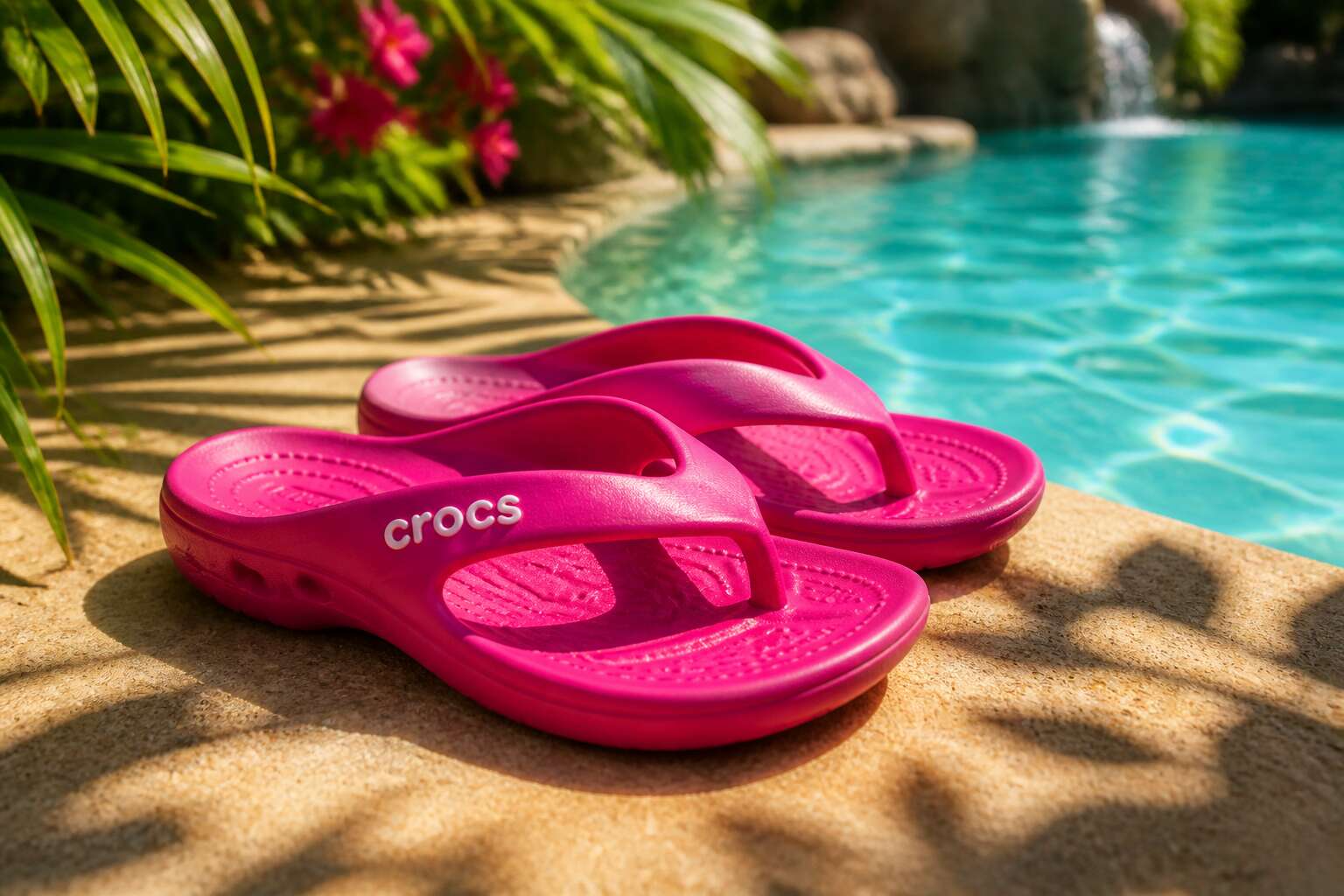
The Unique Design and Comfort Features
Anatomy of a Classic Clog Sandal
South Africans log over 500 hours a year in open-toed footwear, yet most sandals fail before the seasons change. The classic clog silhouette has been re-engineered to solve this exact problem. The secret lies not in the outward appearance, but in the material composition known as Croslite, a closed-cell resin that resists odour and repels water.
This proprietary foam behaves differently under pressure. It warms to body temperature, moulding to the unique contours of the metatarsal arch without collapsing. The footbed is contoured with deep heel cups and a raised toe ridge, offering a massage effect that many wearers find addictive.
– The ventilation ports are strategically placed to allow air flow, preventing the dreaded sweaty foot slip.
– The adjustable heel strap locks the foot in place, reducing the strain on your toes during long walks on uneven pavements.
The design promotes a natural gait cycle. Unlike rigid leather sandals, the flexible shank absorbs shock with every step, while the tread pattern provides traction on wet pool decks. For a daily essential, it appears deceptively simple, yet it offers a level of biomechanical support that ordinary croc flip flops simply cannot match.
The Science Behind the Cushioned Footbed
There is a peculiar joy in a sandal that understands your foot’s anatomy. Croc flip flops achieve this through a footbed engineered with variable density zones. The heel area compresses more than the forefoot, absorbing impact for the spine. Meanwhile, the toe post is angled at 11 degrees, a subtle detail that prevents the unnatural splay common in flat thongs.
The cushioning itself responds to temperature and pressure. When you step, the croslite foam deforms in milliseconds then rebounds, reducing the impact force on your knees. This is not a soft squishiness; it is a controlled resilience. Consider these functional design elements:
- The footbed’s micro-texture grips sweaty skin without causing blisters
- The sidewalls are chamfered to prevent tripping on uneven pavements
- The outsole’s flex grooves align with natural foot bending points
Every component serves a purpose, which is why a pair of croc flip flops can outlast a summer of beach trips and braais.
Why These Sandals Became a Global Phenomenon
A hundred million pairs of croc flip flops leave store shelves each year, a number that only makes sense once you own a pair. Their appeal rests on one promise: a sandal that forgets you are wearing it. You barely feel them! The strap sits snugly without pinching, and the foam weighs almost nothing, so you can walk for hours without noticing your feet.
Comfort emerges from restraint. The toe post stays soft yet durable, and the heel cup cradles without pressure. These details explain the global phenomenon, yet the true craft lies in small choices.
- The outsole grips wet pool decks and dry tar roads.
- The strap adjusts to high arches and flat feet.
- The entire sandal rinses clean under a tap.
Seeing these features in action, you understand why croc flip flops became a household name from Durban to Berlin.
Selecting the Ideal Pair for Your Lifestyle
Evaluating Material and Build Quality
Over 120 million pairs of croc flip flops have been sold worldwide, yet the real challenge is choosing the right pair for your daily rhythm. In South Africa, where pavements range from seaside sand to Highveld gravel, your lifestyle dictates the ideal silhouette. Beachgoers need a lighter structure, while urban commuters benefit from reinforced straps and deeper tread.
Material quality separates a season of comfort from a summer of frustration. The proprietary foam resin should feel dense but responsive, with no tacky residue on your fingers. Check the strap anchors for seamless moulding, as weak joints fail first. Examine the outsole pattern; deeper channels shed mud and grit more effectively. A well-constructed pair will flex without creasing, and the footbed should spring back after pressure. These details determine whether your croc flip flops become a daily essential or a drawer casualty.
Sizing and Fit Considerations
A loose hold fits the windswept sand, but a demanding highland street needs a more anchored fit. The croc flip flops you choose should match the distances you actually walk. In South Africa, a coastal boardwalk and a city pavement exist in the same week, so your daily route becomes the deciding factor.
Stand rather than sit when you try. The heel should fall just inside the back edge, not on it. A finger width should fit between the strap and skin without forcing. The toe should have a few millimetres of clearance, not a tight pocket.
Use these measurements to check your match:
- The heel should stay firm on each stride, with no visible lift.
- The toe area should avoid pressing, but also not expose a gap.
- The outer sole should flex where your foot bends, not at the back.
The foam resin will shape to your sole after minimal wear. What fits precisely now will feel good for the whole route.
Exploring Color and Pattern Variations
Your lifestyle decides the finish. A quiet coastal morning may call for muted sand tones that blend with the shoreline. A busy market day invites a bolder print that stands out among the stalls. The croc flip flops you select can shift with these demands, and the variation is part of their charm.
Consider the palette that matches your movements:
- Earthy browns and tans for long stretches of open road.
- Deep blues and greens for waterfront walks under a harsh sun.
- Vibrant accents for city errands where visibility matters.
Patterns work the same way. A subtle texture can hide the dust of a gravel path, while a clean monochrome keeps the eye steady during longer strolls. The right combination of colour and cut makes the pair feel like your own.
Specialized Models for Water and Outdoor Activities
But when the trail turns to mud or the shoreline becomes slippery, your standard pair falls short. Specialized croc flip flops solve that with deliberate engineering. I’ve worn them through the Cape’s wet winters, and the difference is obvious!
Key upgrades to look for:
- Drainage ports that shed water instead of holding it
- Deep treads that grip wet rock and sand
- Adjustable heel straps for secure footing in currents
These models use denser foam and reinforced toe posts. They dry quickly, resist saltwater corrosion, and hold up against the sun’s UV damage. For a kayak launch or a hike to a waterfall, they outperform any ordinary sandal.
Fashion Forward: Styling Your Sandals
Pairing with Casual Attire
Fashion forward styling of croc flip flops with casual attire hinges on intentional choices. These versatile shoes complement relaxed linen trousers or faded denim shorts, creating an effortless summer aesthetic. Pair them with a breathable cotton shirt or a lightweight knits for texture contrast. The key is to keep the rest of the outfit relatively clean and structured, allowing the footwear to serve as the focal point.
For a cohesive look, consider these pairings:
- Rolled chinos with a polo shirt
- Loose cargo pants with a plain white tee
- Tailored shorts with a short-sleeve button-up
Neutral colours maintain versatility! Busy prints clash with the shoe’s streamlined design. This approach elevates everyday casual wear without overcomplicating it.
Dressing Up for Urban Outings
There is a distinct moment in every South African summer when the beach towel is swapped for a pavement seat at a coffee shop in town. The sand still clings to your ankles, but the urban landscape demands a different kind of energy. Croc flip flops, often dismissed as purely utilitarian, actually bridge this gap with surprising grace. They offer the ease of a slip-on without looking like you simply rolled out of bed, provided you treat them as a canvas rather than a crutch.
To make this transition work visually, you need to introduce texture elsewhere. Think of a crisp linen blazer thrown over a simple cotton vest. The structure of the jacket provides a sharp counterpoint to the relaxed sole, creating a balanced silhouette that reads intentional rather than accidental. Similarly, the choice of bottom half is critical; the fluidity of wide-leg trousers or the clean cut of cropped chinos can elevate the entire look. The footwear then becomes a subtle anchor, grounding the outfit in practicality while the upper half does the stylistic heavy lifting.
When planning your city stroll, consider these specific combinations that thrive in the urban heat:
– A lightweight, boxy blazer paired with tailored Bermuda shorts.
– A ribbed tank top tucked into high-waisted culottes.
– An oversized, open-weave knit worn over a slip dress.
What you should avoid is the gym aesthetic. Mixing athletic socks with these shoes immediately drags the look back into sportswear territory, which clashes with the street-smart vibe you are aiming for. The stark contrast between the rugged sole and a sleek, monochromatic outfit is where the magic happens. A muted palette of oat, stone, and khaki allows the footwear to blend seamlessly, while a single pop of colour in a bag or a scarf adds a sophisticated flourish. This is not about dressing down a formal suit; it is about infusing relaxed staples with a sense of city polish. The result is an outfit that is ready for a gallery opening, a rooftop bar, or a casual business lunch, proving that comfort and style are not mutually exclusive. The key is to embrace the tension between the relaxed foot and the refined top, creating a dynamic that is entirely of the moment.
Accessorizing with Socks and Other Trends
Fashion Forward: Styling Your Sandals
The croc flip flops you wore to the beach are begging for a city encore. The challenge is moving them from the shoreline to the sidewalk without losing their ease. It is not about pretending they are dress shoes. It is about building an outfit that respects their casual DNA while elevating the context around them.
Consider the power of borrowed structure. Throw on a soft-shouldered blazer in a breathable fabric like linen or seersucker. That tailored top half creates an instant tension with the relaxed sole. You are telling the street you understood the assignment but chose your own comfort.
Focus on anchoring the silhouette with the right bottom half. Cropped trousers work particularly well, as they show the ankle and keep the shoe visible. Avoid anything too flowy or too tight; a straight leg is your safest bet. The goal is a clean line from hip to heel.
– Pair them with pleated shorts in a neutral tone.
– Wear them with a long, structured shirt dress.
– Match them against a minimal, military-style jumpsuit.
Accessories will do the heavy lifting. A leather tote and simple metal jewellery add a deliberate touch. The critical move is skipping any athletic white socks. Go barefoot or choose a low-cut, invisible liner if you must. That single styling choice separates the thoughtful dresser from the tourist.
Texture matters more than colour here. A chunky knit cardigan or a crisp poplin shirt adds dimension. You are aiming for a studied indifference, the look of someone who dressed well due to habit, not effort. This transformation works best when the pieces are slightly worn, slightly loved. They need to feel lived-in to match the shoes.
Finally, give your feet a quick once-over. A clean pair of croc flip flops is non-negotiable. A quick wipe with a damp cloth does the trick. This simple maintenance respects both the shoe and the people around you. As the Joburg sun beats down and the townside pavement heats up, you will be glad you made the switch.
Seasonal Styling Tips
In South Africa, seasons change with intent. A pair of croc flip flops must negotiate a Highveld thunderstorm and a Cape winter’s damp chill. The shoe handles warmth with ease. The challenge arrives when temperatures fall.
Summer styling favours bare ankles and linen. Autumn asks for heavier textures. The croc flip flops carry both, provided you adapt the layers around them. A merino sweater in July reads as a considered choice.
For transitional months, observe the shift:
- Tapered chinos replace shorts once evening settles.
- A canvas jacket over a cotton tee handles the breeze.
- Darker sandal shades match the season’s muted palette.
The sandal itself needs no seasonal wardrobe. Your feet will object to cold pavement, but that is a choice many South Africans make willingly. Moisture is the real concern. A quick dry after rain keeps the sole honest and the shoe ready for the next warm spell.
Preserving Your Investment: Care and Cleaning
Daily Cleaning Routines
A single pair of croc flip flops can easily log over a thousand kilometres of pavement, sand, and supermarket aisles over their lifespan. Yet most owners treat them as disposable, discarding them at the first sign of grime. That is a costly habit. The proprietary foam material is remarkably durable, but it demands a specific kind of attention to maintain its structural integrity and visual appeal. Your daily routine should be a ritual of preservation, not a frantic scrub before a braai.
Start with the simple act of rinsing. Warm water, not hot, will dislodge the surface dust that acts like sandpaper on the footbed. This single step prevents micro-abrasions that dull the finish. For the stubborn residue of daily life, you need a gentler approach:
– Use a soft microfiber cloth with a mild soap solution.
– Focus on the toe grooves where oils accumulate.
– Dry them away from direct sunlight to prevent warping.
Beyond the visible grime, the material itself absorbs your skin’s natural oils. This changes the pH balance of the foam over time, leading to a brittleness that causes cracking. A weekly wipe down with a diluted vinegar solution neutralises these acids without breaking down the cellular structure. Ignoring this step means the cushioning will eventually harden, turning your comfortable footwear into a rigid slab.
The real test of care is how you handle the aftermath of wet wear. Leaving them damp in a dark cupboard invites mildew into the pores of the material. It is a slow decay that compromises the bond between the sole and the upper. Allow them to air dry in a shaded, ventilated space. This discipline ensures that the investment you made in genuine comfort pays dividends for years, maintaining that responsive feel with every step.
Deep Cleaning and Stain Removal
The daily ritual holds back the tide, but every pair of croc flip flops eventually meets a stain that rinsing cannot conquer. This is the moment of reckoning, where the material’s resilience faces its true test. A splash of red wine at a sundowner, the persistent dark mark of a tar patch, or the shadow left by a forgotten puddle of engine oil all demand a more deliberate intervention. Avoid the instinct to reach for harsh detergents or abrasive brushes, for these tools will strip the surface of its protective sheen and leave a dull, porous texture that attracts further grime.
The correct method is a slow, patient separation of the stain from the foam’s cellular structure. A paste of bicarbonate of soda and cool water, applied with a worn toothbrush, works to draw out discolouration without damaging the material’s integrity. For oil-based marks, a dab of dishwashing liquid left to rest for ten minutes breaks the bond before you wipe it away. Work in small, circular motions. Rinse thoroughly and repeat the process if a ghost of the mark remains.
For the most stubborn cases, a soak in a solution of lukewarm water and oxygen-based bleach for a maximum of twenty minutes will lift even the darkest blemish.
– One part vinegar to three parts water for mildew spots.
– A pencil eraser for scuff marks on the sidewalls.
– Rubbing alcohol on a cotton swab for ink or dye transfers.
After every deep cleaning session, the fabric of the shoe needs time to recover. Stuffing them with newspaper helps them hold their shape while they dry in a cool, shaded corner. The afternoon sun is a silent killer of the foam’s elasticity. Once they are completely dry, a light buff with a dry cloth will restore a subtle, healthy lustre. The battle against stains is never truly over, but mastering this process ensures your pair of croc flip flops remains a dependable companion rather than a casualty of your adventures.
Storage and Longevity Tips
Croc flip flops repay consistent care with years of dependable service. The material that feels so forgiving is actually sensitive to extreme conditions be it scorching heat or persistent moisture. Once they are clean and completely dry, which is a prerequisite for any storage routine, the habitat of the shoe becomes the primary factor in its durability. A dark, dry, and ventilated cupboard adjacent to your front door works far better than a cramped shoe rack near a sunny window. The ultraviolet rays that brilliant summer sun delivers will fade the pigments and stiffen the foam, even in storage. I keep a dedicated shelf for mine, away from the humidity of the bathroom.
Ignore the urge to stack heavy boots on top of your pair. A compressed footbed loses its signature cushioning and the arch support that makes the design so comfortable. Instead, allow them to stand upright, letting airflow circulate freely. For seasonal rotating between different models, particularly the more specialised outdoor versions, this simple habit prevents the material from taking a permanent new shapecor ractical wisdom for South Africans who do not wear one pair daily.
There are a few storage mistakes that consistently shorten the lifespan:
– Prolonged pressure from other items in an overstuffed luggage bag
– Confinement in airtight plastic containers that trap residual dampness
– Exposure to direct light for several hours each day on a balcony rack
Treat the pair with the same consideration you would a good leather belt, and they will remain resilient, ready for the next coastal adventure or trip to the grocery store.
Comparing Alternatives and Making a Choice
Versus Traditional Flip Flops
On the Durban beachwalk, you see it every summer: a visitor bins a pair of slippers after the toe strap splits away from the sole. Traditional flip-flops are a one season product by design. Low price and thin attachment sections come together and there is no chance of a fix. The sand gets them and the walker is left to buy another pair.
When old habits stay around, my choice landed on croc flip flops. They do not have the same snap joint pressing through a thin hole. Instead, the whole foot area is sturdy and the straps are a part of the body. I no longer carry a spare pair, no matter the distance. That is the type of quiet practical result you feel after one summer.
Versus Athletic Slides
Athletic slides slipped into the South African market with a trainer’s pedigree, but they carry a hidden cost. The layered foam construction mimics a running shoe’s midsole, yet the footbed absorbs moisture from sweat. On a humid Durban afternoon, that dampness leads to friction and the inevitable blister behind the heel. The straps set lower and tighter, designed for short transitions rather than long distances. Croc flip flops instead use a single dense material with no layering to trap moisture. The strap rests higher on the foot, where the arch does not rub against it.
Consider the mechanics of each option:
1. The athletic slide places the pivot point at the metatarsal head, which forces the toes to grip during a normal stride.
2. The croc flip flop sets a rigid shank under the longitudinal arch, so the calf muscles work through the whole gaite cycle.
3. A slide’s adjustable velcro strap adds bulk and a point of failure, while the flip flop has no moving parts.
The outsole of a sports slide uses a herringbone tread that collects sand and small stones. You carry the beach home with you. The croc flip flop features a closed cell foam footbed and a tighter tread pattern that sheds debris with each step. On the paved walkways of a Cape Town suburb, the extra weight of a slide becomes noticeable after three kilometres. The flip flop remains light enough to forget you are wearing it. When you finally decide between a cushioned trainer sole and a material that works as a single unit, the choice becomes a matter of foot mechanics versus marketing intent.
Versus Leather Sandals
Leather sandals promise sophistication, yet the first blister often arrives before the first compliment. The hide softens over time, yes, yet it also absorbs sweat, rain, and the moisture from a wet bathroom floor. In a coastal town like Durban, that means a damp footbed for hours.
Croc flip flops behave differently. The closed cell foam does not soak, does not stretch, and does not demand a break in period. You buy them, you wear them, you walk. No conditioning, no waterproofing spray, no fear of cracked leather. Think about your actual week: a market run, a drive to the beach, an errand in the rain. Leather sandals might sit in the car for a special evening. They handle the pavement, the sand, and the sudden rain.
Cost-Benefit Analysis
The Durban rain arrives without warning, a sudden curtain of water that turns the pavement into a mirror. In these moments, a decision made in the morning becomes a pact with the afternoon. Leather sandals, for all their quiet elegance, concede to the storm. They surrender to the damp, holding the memory of every puddle long after the sun returns.
Croc flip flops make no such promises of luxury, and that is precisely their power. They are not built to impress; they are built to endure. The closed-cell foam shrugs off the sea spray and the sudden shower. It does not soften with regret or crack under the weight of a humid summer.
Consider the economics of your daily existence with the following in mind:
– The morning commute across slick tiles: leather slides, crocs grip.
– The afternoon beach walk over hot sand: leather burns, crocs insulate.
– The evening braai on a wet lawn: leather stains, crocs rinse clean.
The calculus is simple. A leather sandal demands a certain performance from its wearer, a careful dance around obstacles. The croc flip flop asks for nothing but your foot. It is the unburdened choice, the one that walks through the storm without a second thought. When the clouds break over the Umgeni, you will not regret the plastic on your soles.

0 Comments