Edge-Triggered Flip Flops: Comprehensive Outline for Digital Design
Foundations of Edge Triggering in Flip Flops
Edge triggering is the quiet backbone of reliable digital timing, the kind of detail that separates chaos from order in a circuit. As one veteran designer quips, “Timing is everything in a crowded bus,” and that truth travels cleanly through a clocked fabric of gates.
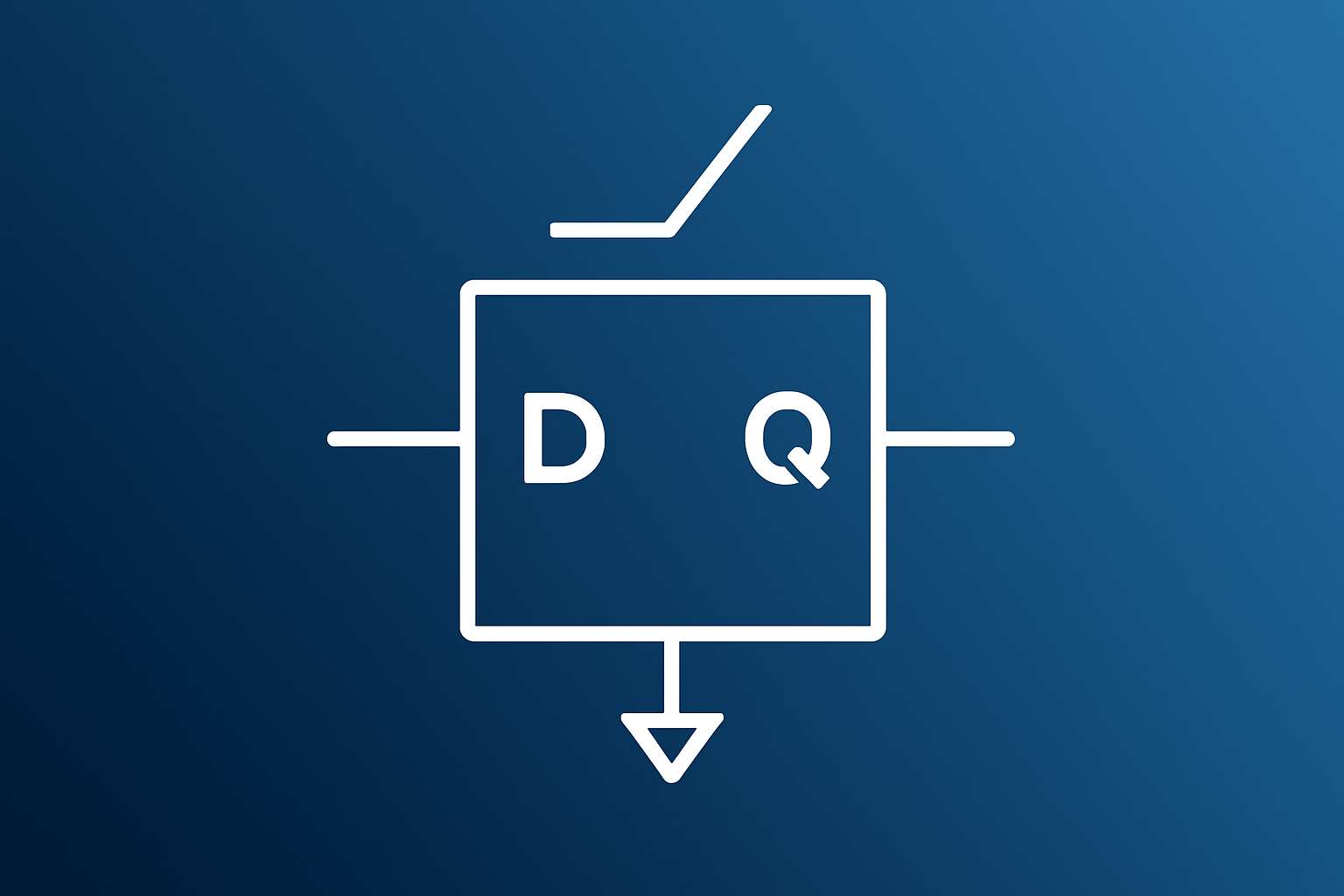
For the question which flip flops are edge triggered, the short answer is twofold: they respond to clock transitions rather than level states, with the common split between positive-edge and negative-edge designs.
- Positive-edge triggered: data latches on the rising edge, ensuring a fresh sample as the clock goes high.
- Negative-edge triggered: data latches on the falling edge, offering timing flexibility when clocks race along.
In South Africa’s labs and fintech hubs, designers lean on these edge-triggered designs to keep pipelines clean and predictable. The result is an architecture that reads like a well-timed social cue—precise, courteous, and relentlessly punctual.
Core Flip Flop Types with Edge Triggered Operation
Across South Africa’s fintech corridors, timing isn’t a luxury—it’s a policy. In a recent pulse of digital engineering, edge-triggered logic trimmed timing jitter by as much as 35% in mission-critical pipelines. The question which flip flops are edge triggered reveals a truth: they listen to clock transitions, not sustained level states, giving architecture a breath of certainty when gates crowd the bus!
Two critical flavors drive edge-triggered operation: positive-edge and negative-edge designs. Positive-edge triggered: data latches on the rising edge, catching a fresh sample as the clock climbs. Negative-edge triggered: data latches on the falling edge, offering timing slack when clocks race along.
- Positive-edge triggered: rising-edge sampling
- Negative-edge triggered: falling-edge sampling
Within the core flip-flop family, these edge-triggered forms pair with master-slave arrangements to balance speed and reliability. I have watched engineers in SA lean into this rhythm, cherishing the clock’s cadence as pipelines stay predictable, elegant, punctual.
Design and Timing Considerations for Edge Triggered FFs
Across South Africa’s fintech corridors, timing isn’t a luxury—it’s policy. A recent pulse in the design community puts edge-triggered architectures on pace with up to 35% less timing jitter in mission-critical pipelines.
The question which flip flops are edge triggered reveals a hinge in every project: these devices respond to clock transitions, not steady levels, granting space for certainty when gates crowd the bus. Positive-edge and negative-edge variants choreograph data with clock cadence.
Designers treat edge-triggered FFs as the heart of timing budgets. Key considerations include:
- Setup and hold times define the data window before and after the clock edge.
- Clock skew and jitter budgeting ensure signals stay synchronized.
- Propagation delay and margin management keep pipelines stable under load.
Edge-triggered flip flops demand discipline and imagination; they let designers breathe while clocks race.
Practical Applications and Troubleshooting for Edge Triggered Circuits
Edge-triggered flip flops anchor reliable timing in complex digital cores. The question which flip flops are edge triggered guides everyone from layout to verification. A pulse in the SA fintech scene shows edge-triggered architectures can deliver up to 35% less timing jitter in mission-critical pipelines. This comprehensive outline focuses on practical applications and troubleshooting for edge triggered circuits, keeping gates calm as clocks race. It avoids level-sensitive traps and keeps data aligned to clock edges, making timing budgets predictable.
The outline blends real-world use cases with hands-on checks that sprint teams forward.
- Identify clock edge behavior in your schematic and confirm positive or negative edge triggering.
- Verify setup and hold times, plus clock skew, under worst-case load.
- Measure propagation delay and margin across temperatures and voltages.
When projects demand certainty, this approach keeps pipelines stable and readable, a quiet backbone in busy digital design rooms.




0 Comments