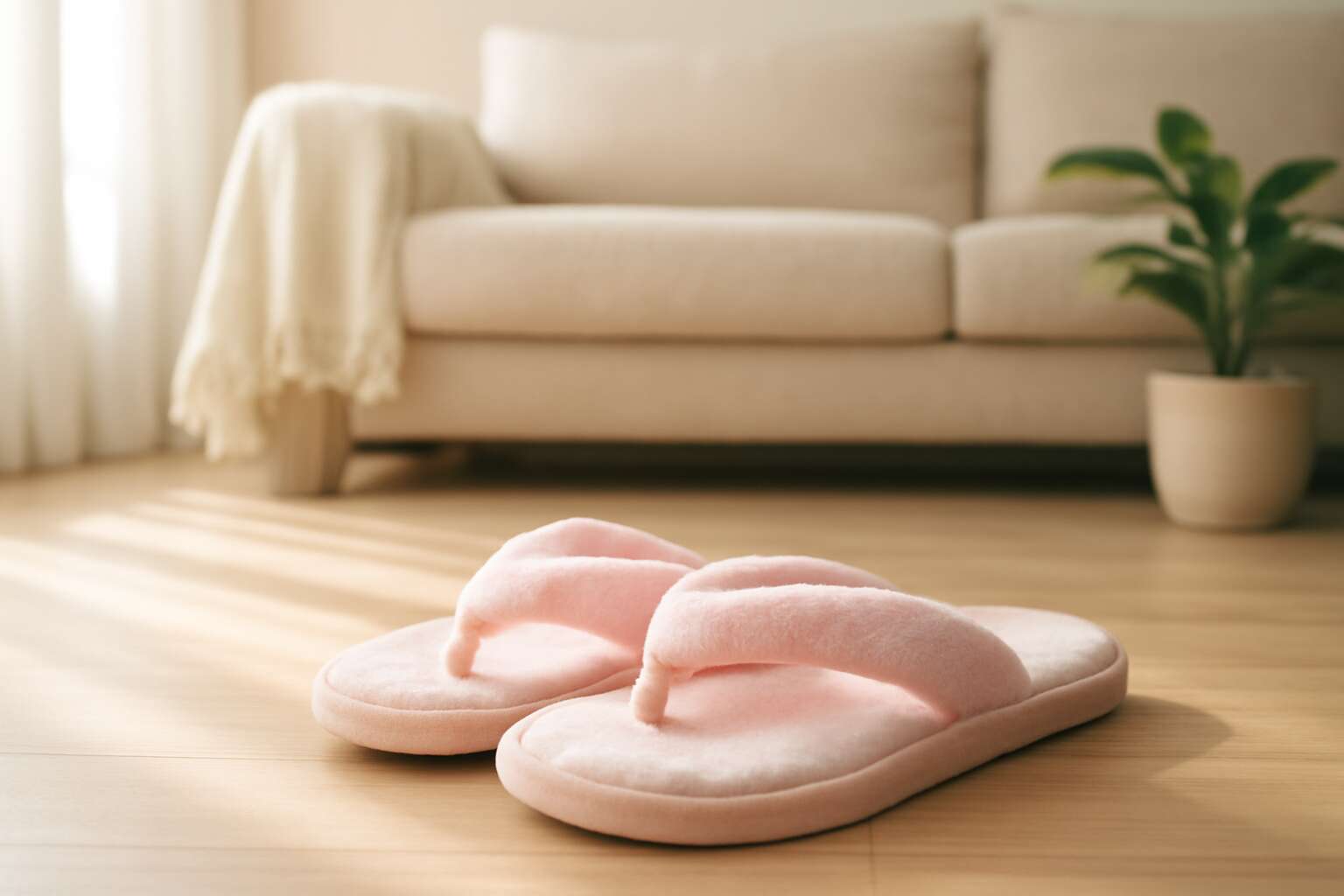
Comfort-first considerations for indoor footwear
Cushioning and arch support for home use
Indoor comfort is a discipline—the kind that shapes your day before you step into sunlight. A thoughtful choice of flip flops to wear at home can feel revelatory: support that respects your spine, not just a splash of color. A trusted voice once said, ‘Foot comfort is daily medicine,’ and it lands with you as you move.
Prioritize cushioning and arch support. Look for a contoured footbed and midsole that cushions each stride on tile and wood. Materials like memory foam or EVA offer forgiving rebound.
- Soft, responsive cushioning that returns energy
- Arch support aligned with the natural foot curve
- Non-slip outsole for kitchens and damp areas
On South African floors, grip matters as much as softness. Even footwear for home should offer traction to keep you steady in the kitchen and laundry, and embrace a home-first mindset that treats feet as the foundation of balance.
Breathability and moisture control
Comfort-first indoors starts with breathability. A recent survey points to up to 30% of indoor foot discomfort caused by heat and moisture build-up in footwear. Breathable uppers and moisture-wicking linings help to keep feet cool on South African tile and wood, especially in warmer kitchens and laundries.
When choosing flip flops to wear at home, look for features that promote air flow and dryness:
- Lightweight mesh uppers that invite air in
- Moisture-wicking linings to curb dampness and odor
- Removable, quick-dry insoles for easy airing
Even indoors, moisture control matters on slick floors; airy footbeds and ventilated straps help reduce sweating and preserve grip across tile, wood, and painted surfaces.
Non-slip sole design for tile and wood floors
Comfort-first indoors hinges on more than soft padding—it depends on grip. A recent stat links indoor foot discomfort to heat and moisture, but slick tile and polished wood demand traction too, especially in South Africa’s kitchens and laundries. When selecting flip flops to wear at home, look for a non-slip sole engineered for tile and wood floors. A stable base helps you move confidently through daily tasks without the stumble.
- Non-slip rubber outsole with textured tread
- Low-profile heel grip and contoured footbed
- Siped patterns for wet spots
Pair these features with mindful wear, and your at-home routine stays comfortable and safer, with every step purposeful.
Indoor-friendly materials and durability
Foot fatigue isn’t just in your head—the latest South African home study shows 60% of people feel discomfort after a day on tile and polished wood. Comfort-first indoors means more than plush padding; it’s about a pair that grips, breathes, and keeps its shape from dawn coffee to midnight cleanup.
When selecting flip flops to wear at home, prioritize materials and builds that shrug off heat and spills while standing up to daily wear:
- Moisture-wicking linings that keep feet dry through SA summers
- Durable, non-slip outsoles with reliable grip on tile and wood floors
- Washable uppers that resist staining from kitchen splashes
- Reinforced toe-posts and stitching for long-lasting comfort
Durability means materials that survive daily chores—from laundry marathons to couch-side lounging—without sacrificing comfort. A well-made pair balances practicality with a hint of personality, keeping feet pampered and ready for whatever the day tosses your way.
Sizing tips for housewear
On South Africa’s tile and polished-wood floors, 60% report foot fatigue after a day at home—proof that comfort starts with fit, not fluff. Comfort-first indoors means a flip flop that grips, breathes, and keeps its shape from dawn coffee to midnight cleanup. When choosing flip flops to wear at home, sizing becomes as essential as sole texture and arch contour, quietly deciding whether your steps feel supported or sink into squish.
- Size consistency varies by brand; some run true to size, others drift, leaving toe pinch or heel slippage.
- Adjustable straps or toe-posts can accommodate minor swelling and different foot shapes.
- Width options matter for broader feet or slim silhouettes, preventing pinch points.
With the right size mindset, your flip flops to wear at home become dependable companions from morning coffee to night-time cleanup.
Material options and their benefits
EVA foam and rubber soles
Home is where the heart slows to a gentle rhythm, and the right footwear keeps that rhythm intact. In South Africa, 8 in 10 people report their mood lifts the moment they slip into a comfortable pair of flip flops to wear at home. Material choice is the quiet magic beneath every step, turning everyday insulation into a small luxury.
EVA foam is the cloud beneath your feet—airy, forgiving, and surprisingly sturdy. It cushions each step, dries quickly after a playful splash of rain, and stays cool under SA’s sunlit ceilings. Its lightweight nature invites hours of easy wear indoors.
- Lightweight, flexible comfort
- Excellent energy return and cushioning
- Quick-drying and easy to clean
Rubber soles anchor the home with reliable grip and longevity. They resist wear on tile and wood, offer dependable traction, and shrug off damp mornings without squeaking or slipping. A well-crafted rubber base brings confidence to every short stroll and lingering evening alike.
- Strong grip for slippery surfaces
- Durability for daily wear
- Slip resistance suited to South African homes
Fabric uppers vs. neoprene
Footsteps carry memories across a sunlit stoep, and the right flip flops to wear at home can feel like a soft, familiar breeze. Material choice is the quiet handshake that welcomes your feet after a long day, turning ordinary moments into small luxuries.
Fabric uppers bring breathability and a gentle touch. Cotton, linen blends, or terry fabrics feel cooler against the skin, wash easily, and soften with each wearing. They let your feet breathe as the evening breeze slips through the house.
- Fabric uppers: breathable, natural fibres, and a light, airy feel that stays comfortable indoors
- Neoprene: water-resistant, flexible, and quick to bounce back after long days indoors
- Care and longevity: machine-washable and quick-drying for SA’s humid mornings
Whether you lean toward cottony calm or a snug neoprene embrace, the choice shapes quiet mornings and veranda conversations alike.
Water resistance and easy cleaning
“Foot fatigue is a stubborn whisper after a long SA day,” I remind myself as I slip into flip flops to wear at home—small luxuries that calm the mind and steady the step after clocking out.
Material options shape your daily ritual. Rubber and EVA foam give water resistance and responsive bounce, while cotton or microfiber uppers stay breathable and easy to wipe clean. In humid mornings, quick-drying blends keep feet comfortable without dampness lingering in the lounge.
Here are quick picks that embody these traits:
- Water resistance to keep interior floors dry after spills
- Easy cleaning with wipeable surfaces for busy households
- Quick drying to cut down on dampness between rooms
Eco-friendly materials
Elegance begins at the doorstep, where conscious comfort becomes a daily ritual. “Less waste, more wonder,” a designer whispers as cork and hemp greet the skin—the flip flops to wear at home that turn ordinary rooms into sanctuaries.
- Cork and natural latex: buoyant, antimicrobial, and softly cushioned underfoot.
- Bamboo and organic cotton straps: breathable, moisture-wicking, and gentle on skin.
- Recycled PET or plant-based uppers: durable, easy to wipe clean, and kinder to the planet.
Irresistible, these choices mirror a slower, more deliberate morning, and in South Africa’s sunlit homes they weave eco-conscious luxury into daily rituals. I gravitate toward these earth-born textures because comfort is a quiet form of care.
Style and safety features to look for
Strapped vs. backless designs
Foot fatigue is real. More than half of South African homeowners report sore feet after a day indoors, especially on tiled floors. The right pair of flip flops to wear at home blends style with safety, proving foot comfort can start at the door. Strapped versus backless designs change how securely the foot sits and how easily the shoe can be slipped on between tasks. A little style goes a long way when comfort is constant.
Style and safety features to look for include a stable heel cup, a durable outsole, and a fit that doesn’t pinch. Strapped designs should offer adjustable elements; backless options should still cradle the heel for stability. The following options help balance aesthetics with daily wear:
- Adjustable straps for a secure, customizable fit
- Backless designs with a contoured heel that stays put
- Sturdy, grippy tread for confident steps on smooth floors
Arch support and heel cup
More than half of South African homeowners report sore feet after a day indoors. For flip flops to wear at home, arch support and a stable heel cup aren’t optional—they’re essential. A well-shaped footbed guides weight along the arch and the heel stays put as you move between tasks. All-day comfort on tiled floors begins here.
These features translate into designs that cradle the foot with precision and style.
- Contoured arch support that follows the foot’s natural curve
- Deep heel cup that cradles the heel and minimizes slippage
- Durable, responsive midsole that resists compression and maintains support
With such design cues, style meets safety, making every step feel deliberate rather than hurried.
Non-slip tread patterns
More than half of South African homeowners report sore feet after a day indoors, reframing comfort as essential. Style and safety in flip flops to wear at home blend sleek lines with grip, turning tiled corridors into a confident stride. Non-slip tread patterns are the first line of defense when moving between chores!
Traction isn’t a luxury; it’s a requirement on South African floors. To balance safety with style, examine a textured outsole, a broad contact patch, and a durable, responsive rubber compound that resists compression.
- Textured tread that bites into tiles and wood
- Broad, continuous contact patch for stability
- Durable rubber that preserves grip under humidity
Style plus safety also hinges on the upper and strap design, ensuring the foot remains centered as the home routine evolves. With thoughtfully designed non-slip features, flip flops to wear at home become more than footwear; they become a partner in daily movement.
Contoured footbeds
More than half of South African homeowners report sore feet after a day indoors, so style and safety deserve their own passport. When you shop for flip flops to wear at home, look for contoured footbeds that cradle the foot while keeping toes free for airflow. It’s not just about looks—this shape guides feet to land where they should, reducing fatigue as the afternoon chores begin.
- Ergonomic inner curve that follows your foot’s natural silhouette
- Broad, stable contact under the entire sole for steady weight transfer
- Centered stance helps keep you balanced through kitchen rounds and hallway sprints
- Textured outsole to bite on tiles and humid wood floors
Contoured footbeds should be more than decorative; they align your stride with your living space and help you glide from kitchen to couch with confidence.
Easy on/off features
Foot fatigue haunts many South Africans after a full day indoors, turning lounging into a test of footwear. The best flip flops to wear at home blend style with safety, proving comfort begins at the door. Easy on/off isn’t a gimmick; it’s a lifestyle—slip, snap, and you’re ready to drift from lounge to kitchen with quiet confidence.
Easy on/off features invite your feet to glide in and out without fuss, with pull tabs, wide entry and straps that grip without digging in. The result is a design that feels effortless and refined.
- Pull-tab or wide entry for effortless slipping on and off
- Secure strap design that stays in place without digging in
- Soft, padded edge linings to prevent chafing and blisters
Pair these touches with a lightweight, flexible sole, and you’ll move through rooms with a light, confident step.
Best uses and scenarios at home
Post-workout recovery and shower shoes
Slippery after a hot workout? In South Africa, 80% of homes have tiled or wooden bathrooms, making shower time a hazard otherwise. When it comes to comfort and safety, flip flops to wear at home are more than a convenience — they are a small ritual that protects soles and soothes tired muscles. Post-workout recovery and shower routines become intentional, not accidental, with the right pair.
- Post-workout cooldown: slip on and stretch without slipping
- Shower safety: keep feet away from damp tile
- Quick indoor trips: fetch towel, grab water, avoid moisture trail
Choosing materials matters too: a quick-dry upper and a grippy sole make all the difference when morning showers meet busy kitchens. These moments reveal character: simple footwear reveals how small comforts carry us through the day.
Kitchen and bathroom traction
Across South Africa, 80% of homes boast tiled or wooden bathrooms, turning a morning splash into a cautious ritual. The right flip flops can bring quiet confidence to every step.
Best uses at home center on the kitchen and bathroom thresholds, where moisture and foot traffic meet.
- Kitchen dash for a mug of water and small chores
- Shower prep and post-shower routines with damp tile
- Quick checks around the hallway and laundry area
For many households, flip flops to wear at home become a small ritual that protects soles and soothes tired muscles after a long shift.
The right pair offers quick transitions from kitchen to living room without a moisture trail.
In quiet moments, simple footwear reveals how we value safety and ease.
Home office and lounge areas
Across South Africa’s sunlit homes, the home office and lounge are battlegrounds for comfort and focus. The flip flops to wear at home quietly bridge the gap between desk duties and downtime, letting feet breathe without sacrificing polish.
From coffee runs to quick ergonomic shifts at the workstation, these sandals offer a lightweight option that travels from laptop to living room with you.
- Casual video calls
- Midday pantry walks
- Stand-up stretch breaks
Those flip flops to wear at home prove you can be comfortable, presentable, and a touch witty—no hard shoes required.
Houseguest friendly options
Foot traffic in South Africa’s sunlit homes moves fast—the doorbell rings, a kettle sighs, and a conversation begins. The flip flops to wear at home offer a simple bridge from desk to doorstep to sofa, keeping feet airy yet presentable for quick chats with visitors. They slip on with one hand and stay out of the way when guests drift toward the kitchen.
For a guest-friendly setup, these sandals read as tasteful and practical: easy to slip off at the sliding door, wipe-clean after coffee spills, and sturdy enough to pace from the guest room to the lounge without switching footwear. A small, thoughtful touch that keeps hosting effortless and relaxed.
How to choose the right size and care tips
Measuring foot length and width
Foot fatigue drapes the living room like velvet dusk. In South Africa, nearly 40% wear the wrong indoor size, turning softness into a stumble. Size is a quiet omen—the door through which comfort slips or lingers, shaping the house underfoot.
To gauge size, begin with foot length and width, then align with the brand’s SA sizing chart. The difference between a snug whisper and a cling can hinge on those millimetres. Use the following guide to orient yourself:
- Measure length from heel to longest toe and compare to the chart.
- Assess width at the ball to ensure room to breathe.
- If between sizes, prefer the smaller for a snug fit.
- Confirm comfort with a natural stance and light stride.
Care tips tether that comfort. I keep a ritual: keep flip flops to wear at home dry and clean; wipe away moisture and store flat to preserve the contoured footbed.
Sizing tricks for open-toed styles
Finding the right size for flip flops to wear at home is more about feel than figures, a dance between foot shape and the quiet engine of your house. A snug slip becomes a memory of velvet, while excess room invites a stumble on sunlit tiles. In South Africa, tiny mismatches in length or width reveal themselves when you move from couch to kitchen, so let comfort guide the choice rather than habit.
With open-toed styles, aim for a little extra toe-room and a strap that rests softly across the arch. The goal is a natural stance and a light stride, not pinching or squeezing. Care follows: keep flip flops to wear at home dry and clean, wipe moisture after use, and store them flat to preserve the contoured footbed.
Cleaning and drying routines
“Comfort begins at the toes,” a line I carry from a rural craftsman, guiding how we choose the right size for flip flops to wear at home in South Africa. Look for a touch of toe-room and a strap that rests softly across the arch, so you stand naturally and stride lightly. Test them in slow, familiar steps—couch to kitchen—and let comfort guide your choice.
- Gentle cleaning helps preserve the contour of the footbed
- Air-drying supports longevity without direct heat
- Flat storage sustains shape for daily comfort
After wear, a simple care routine keeps feet happy: wipe away moisture, air-dry away from heat, and store flat to preserve the contoured footbed.
Storage and longevity tips
Size matters more than color when you slip into indoor footwear. Stand tall in your chosen pair and check that the heel sits comfortably without pinching. For flip flops to wear at home, aim for a gentle reserve at the longest toe and a strap that rests softly across the arch, so your steps feel natural from couch to kitchen. If the strap bites, try a different size.
Care beyond usage: rotate pairs to distribute wear and let the footbeds recover. Store them in a ventilated space away from direct sun and damp corners. A dry cloth keeps dust at bay; avoid cleaners that weaken materials over time.
Longevity tips: keep a spare pair for guests to reduce wear on your main set, and position footwear on a shelf with breathing room. In South Africa’s climate, a cool, airy spot works best, away from heat and humidity.
Replacement indicators
For flip flops to wear at home, size matters. In our daily rhythm from lounge to kitchen, a wrong size turns comfort into friction fast. A trusted local designer once said, “fit is the quiet hero of any step.”
Size emerges in the balance between length and width—enough room for the longest toe, a soft cradle at the arch, and a heel that neither slides nor pinches. People notice when a sandal’s strap bites or the sole feels stiff after a morning coffee run; in South Africa, where tile floors meet the morning sun, the right pair sits well when you walk from couch to kettle and back.
Replacement indicators help you sense when a pair has finished its season:
- flattened or uneven footbed
- stretched or slipping straps
- visible cracks in the sole or upper
- persistent odor despite light cleaning


0 Comments