Common environments where flip flops are used
Beaches and poolside areas
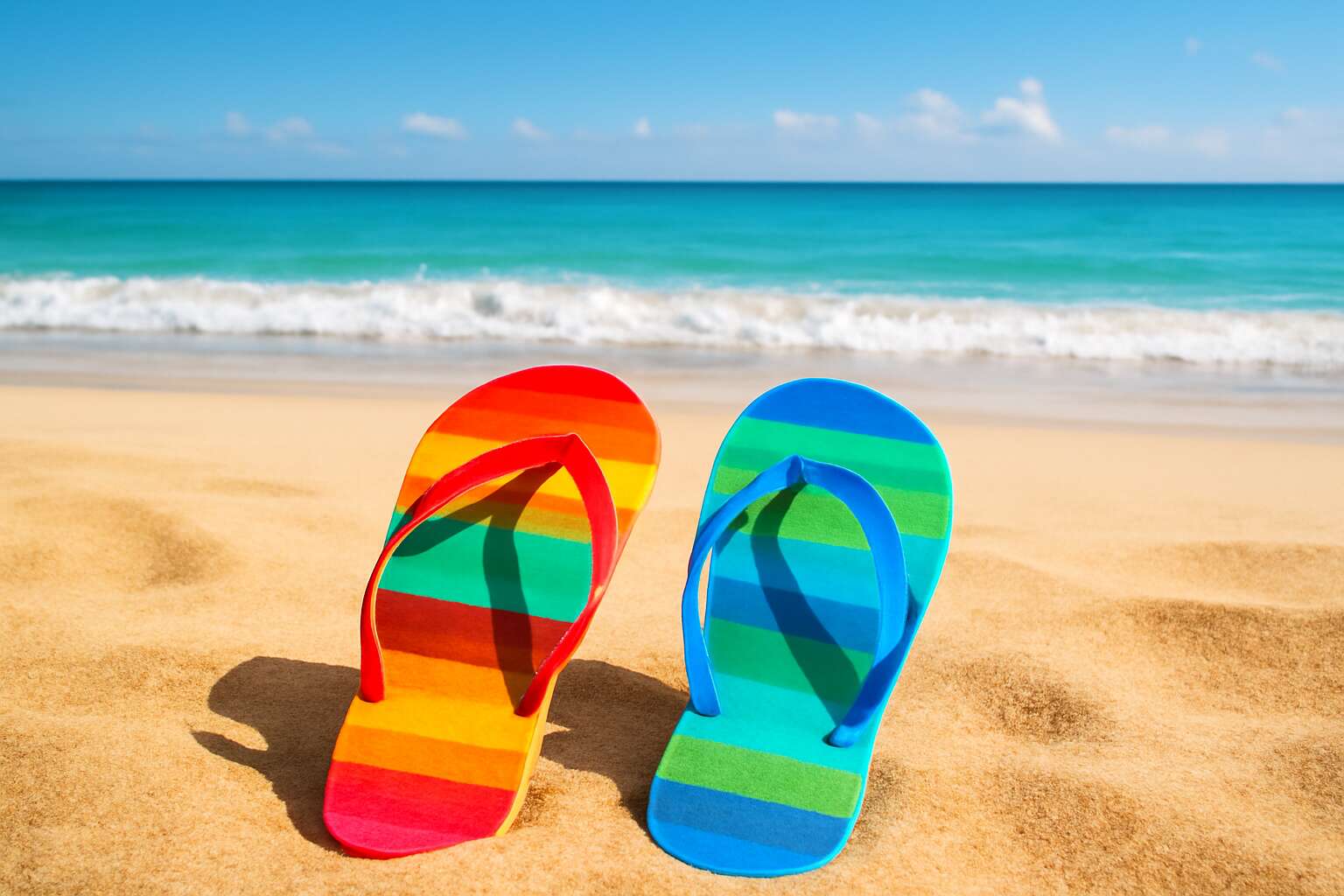
Beaches, poolside turquoise breath, and the long South African day press close like a velvet night. A recent survey suggests 82% of beachgoers reach for flip flops, whispering their preference for ease over peril. This is the answer to where are flip flops used, a map traced in sun and spray.
On beaches and poolside areas, flip flops glide from towel to deck, between sand and tile, guarding feet from grit and glare. The scene is a study in contrast—salt air and chlorinated sting coexisting with calm hops of laughter.
- soft, sun-warmed sand
- slick pool decks and damp tiles
- slipping towel racks and changing rooms
Lightweight, quick-drying, and unapologetically simple, they suit environments where sun and spray reign. In these habitats, the humble sandal becomes a quiet companion for movement along the shore and through poolside cabanas.
Casual outdoor spaces like parks and boardwalks
Sun-baked afternoons reveal a quiet truth: light footwear moves the city more than heavy gear. The question where are flip flops used remains open, threading through shaded park paths and bustling boardwalks where easy steps meet gravel, tile, and damp grass.
- parks
- boardwalks by the sea or river
- outdoor markets
- riverfront promenades
- university campuses and campus courtyards
Along these spaces, flip flops stay light, quick-drying, and ready for long strolls or quick hops between stalls. They offer humane simplicity, a way to move with the season rather than against it, a quiet companion in the South African outdoors.
Homes and indoor use such as bathrooms and spas
Inside every South African home, the rhythm of daily life runs on simple rituals—slip on, step in, carry on. The question “where are flip flops used” finds its answer in spaces that invite easy movement and quiet comfort, from kitchens and doors to living rooms and bathrooms. Light, quick-drying footwear becomes a trusted companion for the morning dash and evening decompress.
Within the home, these indoor habitats are most common:
- Bathrooms and showers
- Spas and wellness rooms
- Locker rooms and gym facilities
- Hotel rooms and guesthouses
- Mudrooms and entryways
They stay clean, dry quickly, and slip on as casually as a morning sunbeam, softening the edge of a hectic SA day while keeping feet comfortable.
Casual sports and gym locker rooms
In SA gyms, 70% of patrons opt for slip-on comfort the moment they exit the workout—an echo of breath and routine. where are flip flops used? The answer often begins in casual sports and gym locker rooms, spaces made for quick transitions.
These environments cradle feet between sweat and steam, offering a hygienic bridge from bench to hallway. Flip flops slip on with ease, guarding moisture-prone soles and turning damp tiles into a gentler promenade for every post-workout ritual.
- Locker rooms after training
- Showers and wet changing areas
- Recovery lounges and warm-down spaces
In the intimate corridors of SA fitness culture, these unassuming companions glide between routines—soft, practical, almost alchemical in their dryness. The humble flip flop transforms a simple corridor into a sanctuary of effortless movement.
Travel, leisure and vacation settings
Airport and hotel lobbies
Across major airports, 68% of travellers reach for comfort footwear the moment they step off the plane. Travel, leisure and vacation settings test footwear in the quiet ways we move through daydreams and deadlines. In airport and hotel lobbies, comfort meets restraint as tiled floors echo with footfalls, and sunlit corridors invite a barefoot moment. I watch people pause, where are flip flops used in these spaces? The answer feels practical and intimate: ease that travels with us from arrivals to elevators.
- arrival lounges
- hotel corridors and guest floors
- spa and pool access areas within resorts
These sandals offer quick-don and quick-doff, enabling travellers to step from the air-conditioned calm of indoors to sunlit tarmacs and back again without fuss. The South African traveler values versatility, and flip flops provide a humane bridge between public spaces and personal comfort.
Resorts and cruise ships
A striking stat cuts through the sea air: 3 in 4 cruise guests slip into flip flops by day two, easing from cabin shadows to sun-washed decks. The night wind seems to nod, the ocean whispering about motion and desire. where are flip flops used sharpens the map.
On resorts and cruise ships, the sandal serves as an easy-on, easy-off companion. It glides from plush foyers to teak decks, through spa doors and back to shaded verandas.
- deck promenades and pool decks
- cabin verandas and stairwells
- spa entryways and wellness lounges
South African travellers chase versatility; flip flops become a humane bridge between air-conditioned calm and sunlit horizons. In this world, where are flip flops used, the answer is plain: every moment of a voyage that invites transition, from deck to corridor to cabins.
Outdoor festivals and summer events
Outdoor festivals and summer events demand footwear that moves with the day. A simple statistic sticks in the heat: 68% of festival-goers reach for flip-flops by sunset. In the sun-warmed crowds, the phrase “where are flip flops used” becomes practical guidance for attendees and organizers alike.
From grassy stages to dusty trails, flip flops bridge comfort and movement. They handle long queues, beer tents, and late-night strolls when shade is scarce. Inside the grounds, these zones welcome easy-on, easy-off footwear:
- campgrounds and picnic belts
- main stages and queue lines
- food courts and market corners
- tented chill-out areas
In South Africa’s summer festival circuit, flip flops are not merely footwear but a practical language of heat, dust, and movement. They travel from shaded lounges to open-air dance floors with ease, reflecting how people experience leisure in public spaces.
Camping and day trips
Sun-scorched weekends in SA camps teach a quiet philosophy: comfort travels farther than weight. For travelers asking where are flip flops used, the answer unfolds across campgrounds, dawn-lit dunes, and riverbank strolls. I slip into them for easy rounds of coffee runs, gentle trailheads, and sunset boardwalks, where mobility is a form of mindfulness.
- campgrounds and short nature trails
- dockside decks and riverside picnics
- market towns and coastal boardwalks
On day trips, flip flops become versatile travel companions: they release feet from closed shoes at rest stops, shield them during casual lunch breaks, and glide across hostel courtyards and beachy markets with minimal fuss. In South Africa’s diverse landscapes, this hand-me-down footwear keeps pace with the road, the hike, and the spontaneous detour.
Water parks
The SA heat is a relentless companion, but the simplest gear often wins. where are flip flops used? a traveler muses, and the question becomes a tour through water parks, riverfront strolls, and sun-warmed boardwalks.
In water parks, they glide from gate to splash zone with easy confidence:
- Wave pools and lazy rivers where light steps beat bulky footwear
- Decks, snack stalls, and shaded lounges that beg for a quick, carefree rhythm
- Entrance gates and locker corridors that demand fast transitions and dry feet
In the end, flip flops belong to SA’s water parks and vacation settings, turning hot concrete into soft paths and keeping days moving with light, deliberate steps!
Work-related and professional contexts
Hospitality and food service front-of-house
Across South Africa’s bustling hospitality scene, footwear is part of the performance, and the question where are flip flops used takes on a practical glow. A pulse from the industry shows comfort can boost guest satisfaction, with movement and ease guiding service. In sunlit dining rooms and relaxed hotel lobbies, comfort helps staff greet guests with speed and grace.
Work-related and professional contexts in front-of-house balance welcome-ready style with safety. Casual outdoor venues and poolside cafés show a tolerance for breathable, quick-drying options, while kitchens demand stricter footwear discipline to protect feet and maintain hygiene.
- Non-slip sole with good tread
- Breathable, quick-dry materials
- Hygienic, easy-to-clean footbeds
To guide the choice, some staff wonder where are flip flops used; venues seek features that let feet move freely without sacrificing grip.
In the end, adaptation weaves comfort through interiors and sunlit service paths, keeping hospitality shining.
Industrial environments with safety guidelines
Industrial environments demand footwear that offers grip, protection, and hygiene. In South African workplaces, the question often boils down to where are flip flops used within the safety framework? On production lines, open-toe designs invite hazards from spills, dropped tools, and heavy machinery; flip flops are generally off-limits. In controlled zones—break rooms, offices, and clean corridors—some staff seek lightweight relief from heat, provided risk assessments and PPE policies permit it. Safety trumps comfort, even when long shifts test resolve.
Where a sanctioned allowance exists, three features guide the choice.
- Non-slip sole with good tread
- Breathable, quick-dry materials
- Hygienic, easy-to-clean footbeds
In the South African industrial landscape, safety policies set the boundary, with flip flops finding a narrow niche only in low-risk breaks and transit routes where hygiene is preserved and hazards are minimal.
Healthcare settings with footwear policies
In healthcare, every step matters—one misstep can ripple through patient care and staff morale. “Safe feet save seconds,” goes the quiet maxim in every ward. So, where are flip flops used within safety policies in healthcare? In South African facilities, ward floors demand closed-toe, non-slip footwear; flip flops stay out of clinical zones like operating theatres and sterile corridors, and only appear in controlled breaks or transit areas when formal risk assessments permit it.
- Closed-toe design with a non-slip sole
- Breathable, quick-dry materials
- Hygienic, easy-to-clean footbeds
When allowances exist, safety, hygiene, and infection control still lead the policy, keeping care environments secure even as staff seek relief from long shifts.
Retail and service industries with casual dress codes
In South Africa’s streets and stores, workwear meets weather with a nimble wink. Retail and service teams embrace casual dress codes that balance comfort with polish, especially on scorching shifts. So, where are flip flops used within professional contexts? They make rare appearances—primarily during staff breaks, in non-customer zones, or in outdoor queues when risk assessments permit.
- Slip-resistant sole and hygienic footbeds
- Allowed in non-customer-facing zones and during breaks when policy permits
- Disallowed in food handling, cash areas, or zones requiring enclosed footwear
Across many SA workplaces, teams still ask: where are flip flops used when safety meets style? In the right environments, flip flops offer breathability and ease, yet safety and service will always steer the vibe. The best stores keep the vibe light without compromising standards, letting staff navigate hot floors with dignity as customers move through the aisles.
Cultural and regional variations in usage
Tropical climates and warm regions
In South Africa’s tropical coasts and warm inland pockets, where are flip flops used becomes a daily question answered with practicality. KwaZulu-Natal and parts of the Eastern Cape cradle a footwear culture built on breathability and quick-drying ease, moving from market pavements to seaside promenades with minimal fuss. A slide-on staple here carries a hint of mystique—get the right pair, and the day unfolds at a sun-tinged, relaxed tempo.
- Coastal markets and harbour decks
- Rural taverns and subtropical terraces
- Boat decks and ferry terminals
In these regions, the flip flop’s unassuming ubiquity reveals a culture that values comfort and resilience as much as spectacle, where relaxation and shared spaces blend with a coastal, sun-warmed rhythm.
Urban fashion and streetwear trends
In South Africa’s urban mosaic, the pulse of street style shifts with the sun. where are flip flops used becomes a question answered in the language of ease: Cape Town’s sea-breeze lanes mingle with Johannesburg’s boulevards, and the result is a look that pairs breathable comfort with grit. A designer calls it soft rebellion—a flip flop paired with tailored shorts and bold outerwear, a city’s quiet confidence!
In urban pockets, regional nuance blooms in each stride, I think. The following scenes showcase how culture and streetwear fuse:
- Cape Town’s waterfront promenades where luxe, sporty slides mingle with tailored citywear
- Johannesburg’s Maboneng and Braamfontein corridors, where casual sandals share runway-ready cues with bold prints and statement socks
- Durban’s beachfront markets and urban parks, where absorbent slides pair with tropical prints and easygoing layers
Across these urban stories, flip flops become a quiet emblem of a South African dream—accessible, elegant, enduring.
Cultural and religious footwear norms
Where are flip flops used? In South Africa’s cultural mosaic, the answer unfolds with climate and ceremony. The language of footwear is rich—comfort paired with respect is the lingua franca at gatherings large and small. A veteran designer quips that “footwear is culture’s soft language,” and the sentiment travels from Cape Town’s markets to township courtyards.
The following contexts illustrate how religious and regional norms shape choices:
- Religious spaces: remove shoes; flip flops are often discouraged in formal sanctums but may be acceptable in casual prayer halls where cleanliness is observed.
- Ceremonial settings: formal dress codes push toward polished slides with discreet straps rather than casual thongs.
- Markets and outdoor rites: breathable sandals win praise for practicality and respectability.
- Rural and coastal communities: flip flops serve as durable, low‑cost footwear for dusty paths and salt air.
Culture flexes with every stride, turning footwear into a quiet emblem of respect, region, and rhythm.
Seasonal and monsoon region usage
Footwear is weather, culture, and conversation stitched into one strap. Across South Africa’s variegated climates, our choices bend with heat, rain, and ceremony. Answering where are flip flops used isn’t just about comfort—it’s about context and climate colliding in everyday life.
Seasonal shifts matter more in monsoon-tinged zones and rainy coasts than in dry inland towns. Breathability wins on muggy days; durability matters when sand and dust chase the feet. In these rhythms, the simple slide becomes a practical, respectful choice that travels from market stalls to residential courtyards.
Seasonal and monsoon region usage maps neatly onto the wearing habits in SA:
- Coastal monsoon zones: breathable, water-ready designs for humidity and rain.
- Interior arid zones: quick-dry, rugged sandals for dusty paths.
Ultimately, culture meets climate at every stride, shaping daily life in the fabric of South Africa.


0 Comments